
(For english scroll down)
Ficha Técnica
Autores: Magdalena Leite y Aníbal Conde
Título de la obra: Leviathan
Año de realización: 2020
Técnica y soporte: Coreografía para dos personas
Duración: 20 minutos (versión corta)
Realizada con el apoyo del Sistema Nacional para Creadores de Arte del FONCA (MX)
CV de la obra
2025 Museo del Chopo, 16, 17 y 18 de mayo, Ciudad de México (MX)
2024 Crude Saturdays del Tictac Art Centre, 19 de octubre, Bruselas (BE)
2024 Danza UNAM dentro del proyecto Correspondencias, 1 de junio, Ciudad de México (MX)
2023 Surge Madrid 2023 con dos presentaciones el 12 y 13 de octubre en Madrid (ES)
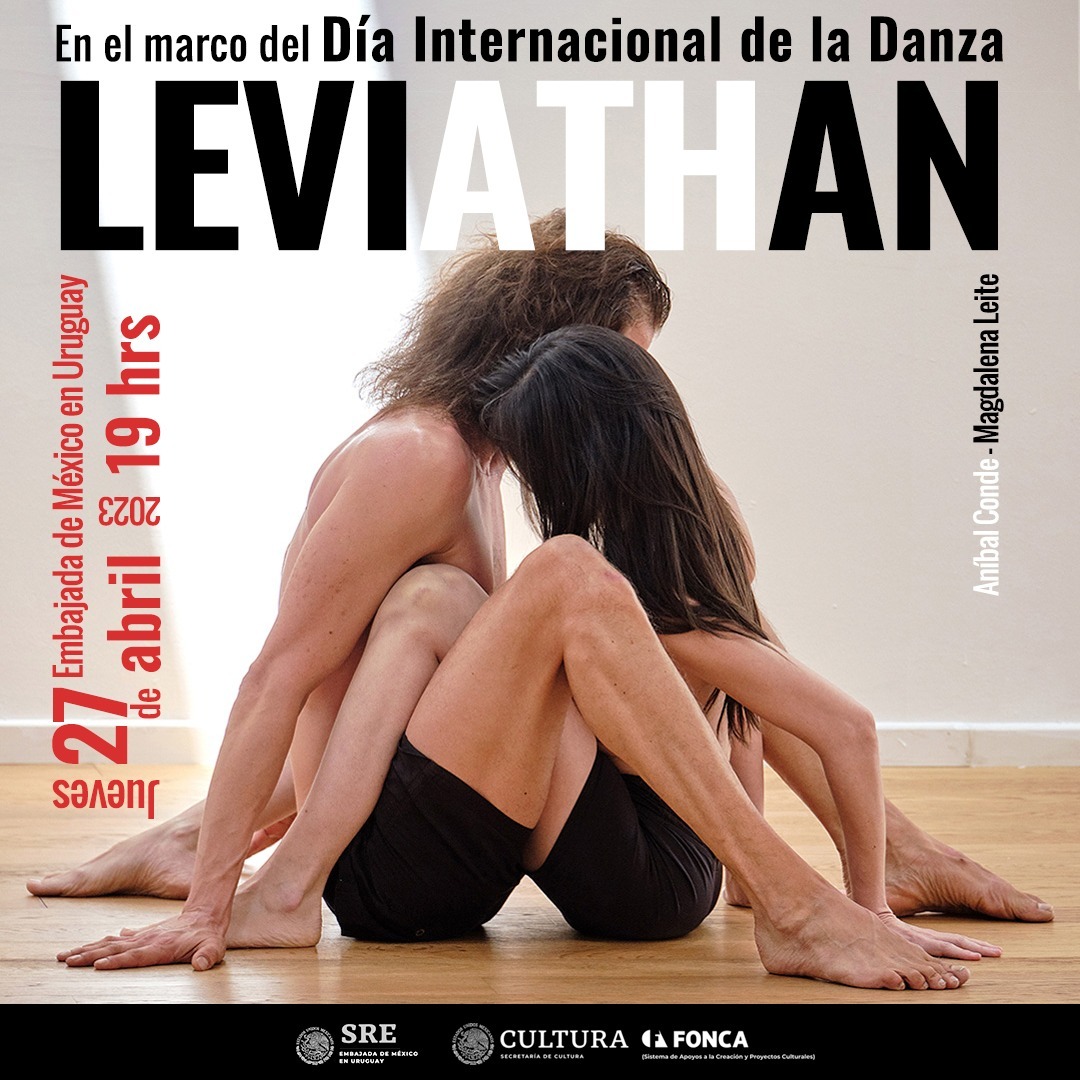
2023 Día Internacional de la Danza en la Embajada de México en Uruguay, 27 de abril (UY-MX)
2022 Seleccionada para el 60ª Premio Nacional de Artes Visuales Gladys Afamado del Ministerio de Educación y Cultura y el Instituto Nacional de Artes Visuales, Montevideo (UY)
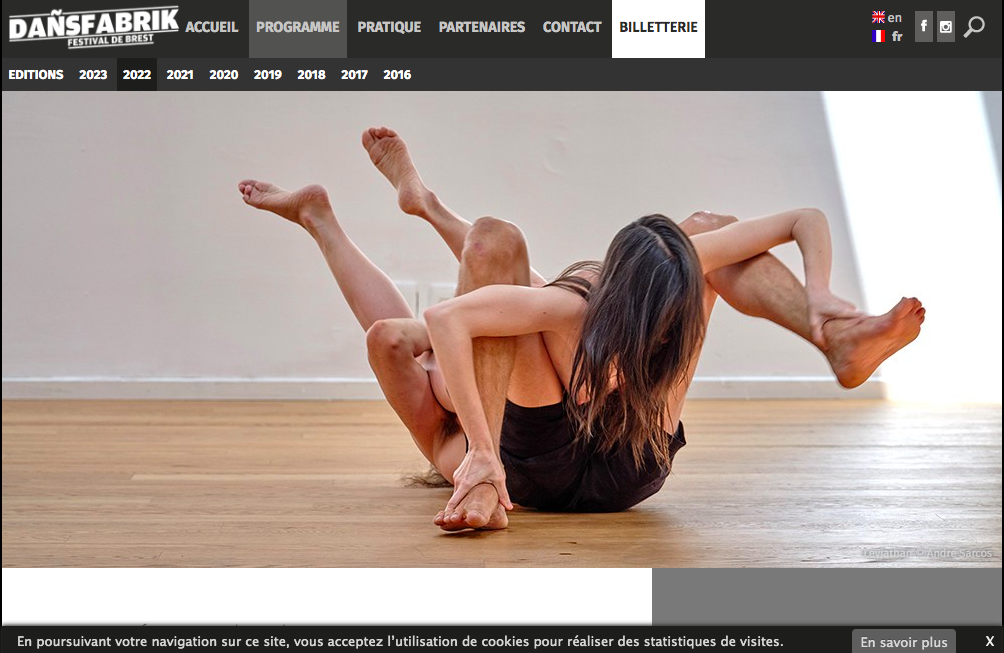
2022 Seleccionada por Jérôme Bel para ser presentada en el Local Festival International en DañsFabrik, 26 de febrero, Brest (FR)
2022 Galería de Arte Binario del Centro Nacional de las Artes, 16 de junio, CDMX (MX)
2021 El Asunto de lo Remoto, 22 de octubre, Buenos Aires (AR)
2020 Estrenada en GEN Centro de Artes y Ciencias, 5 y 6 de diciembre, Montevideo (UY)
Sinopsis
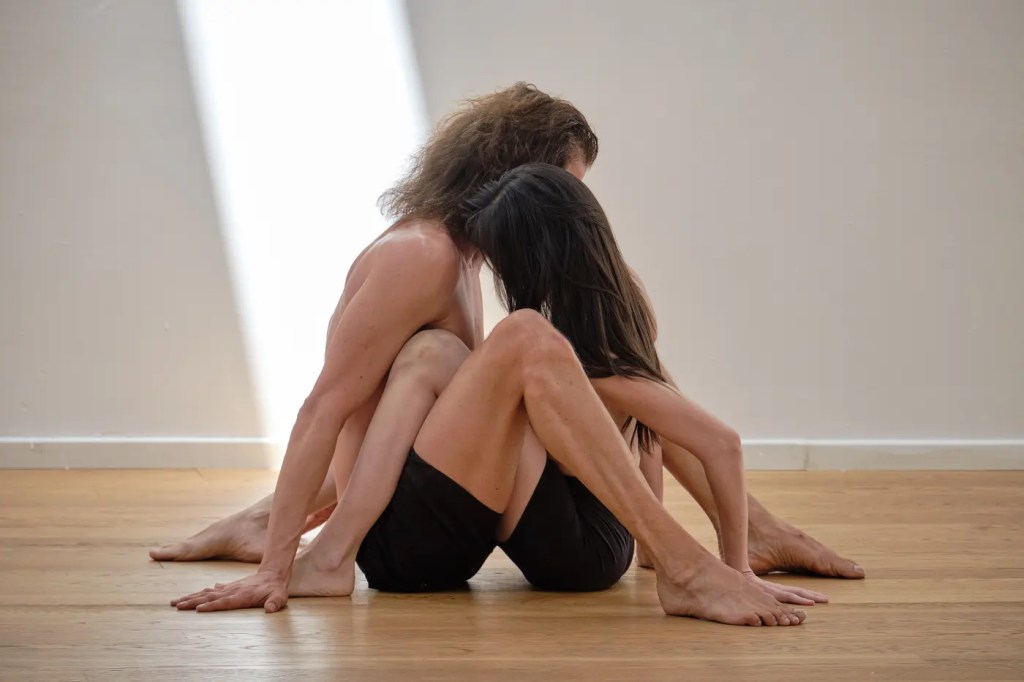
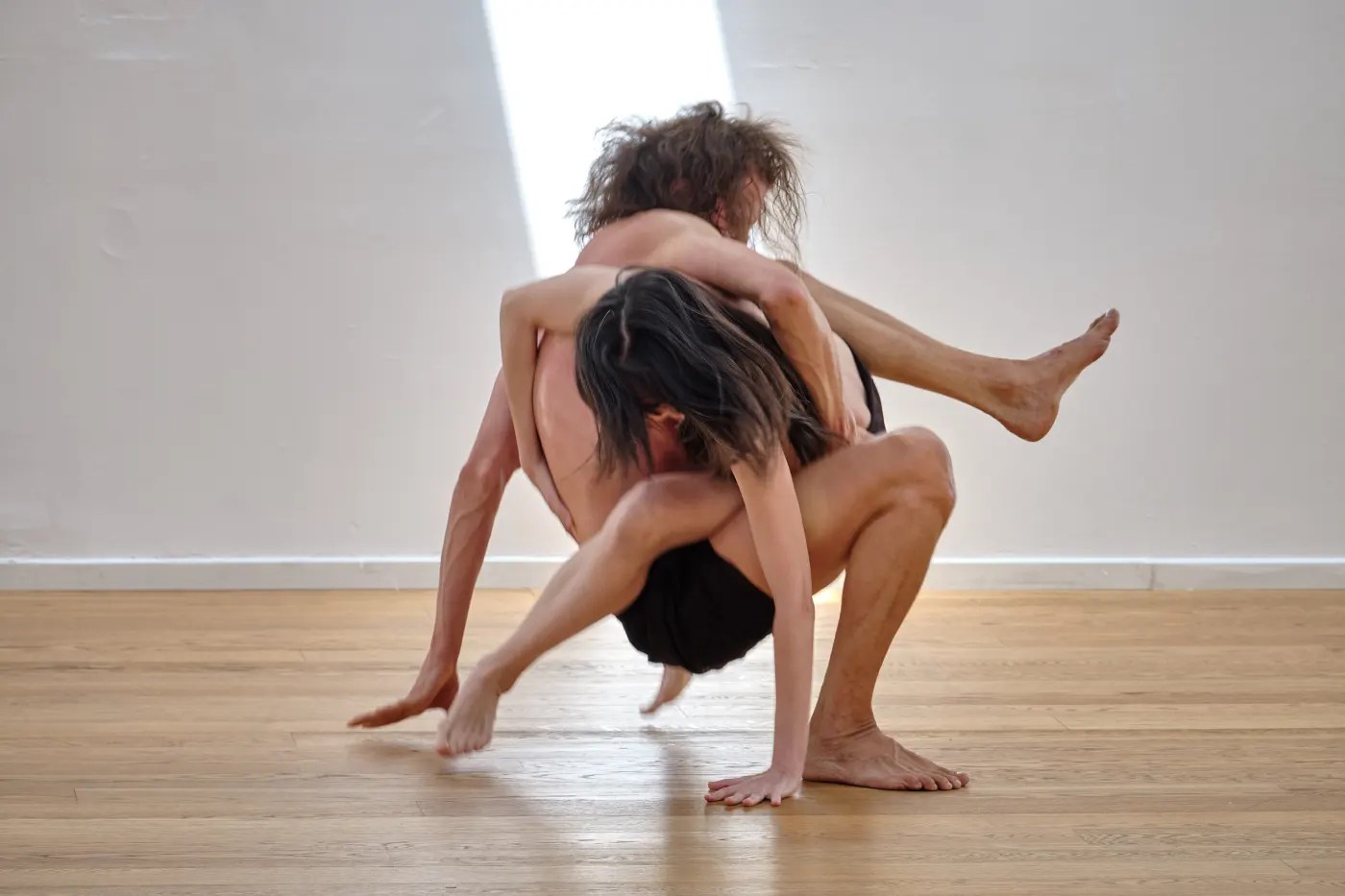
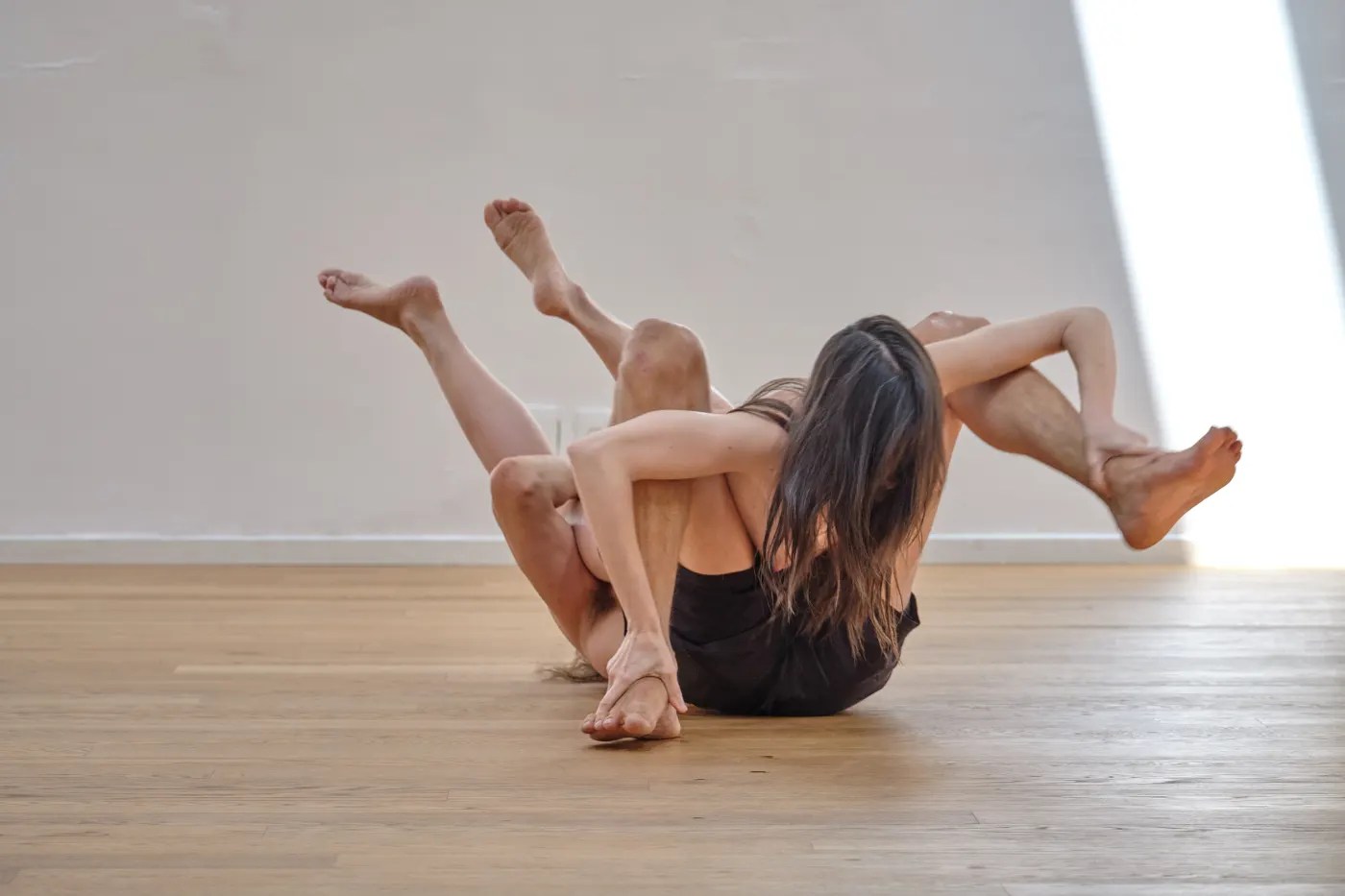
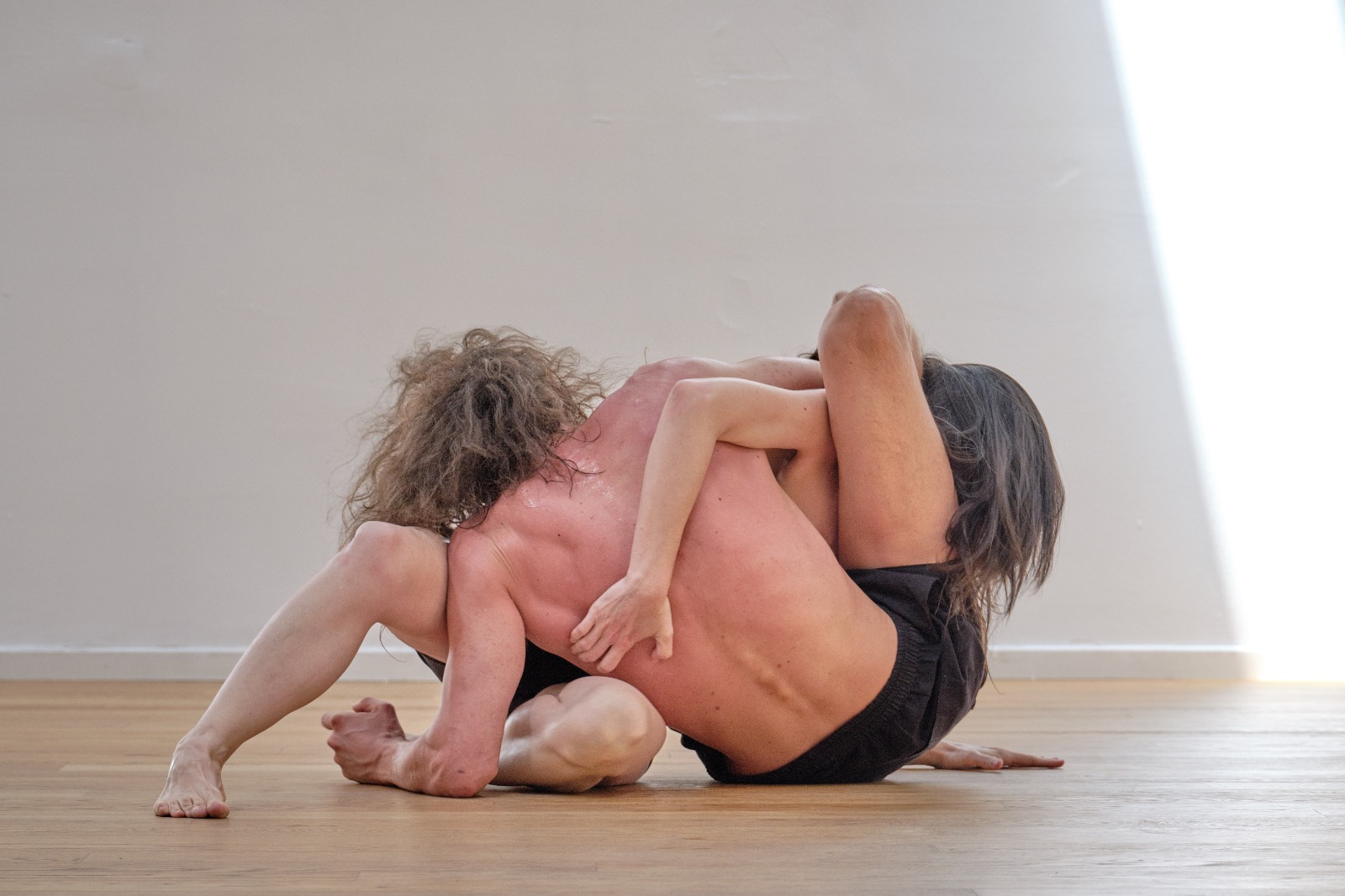
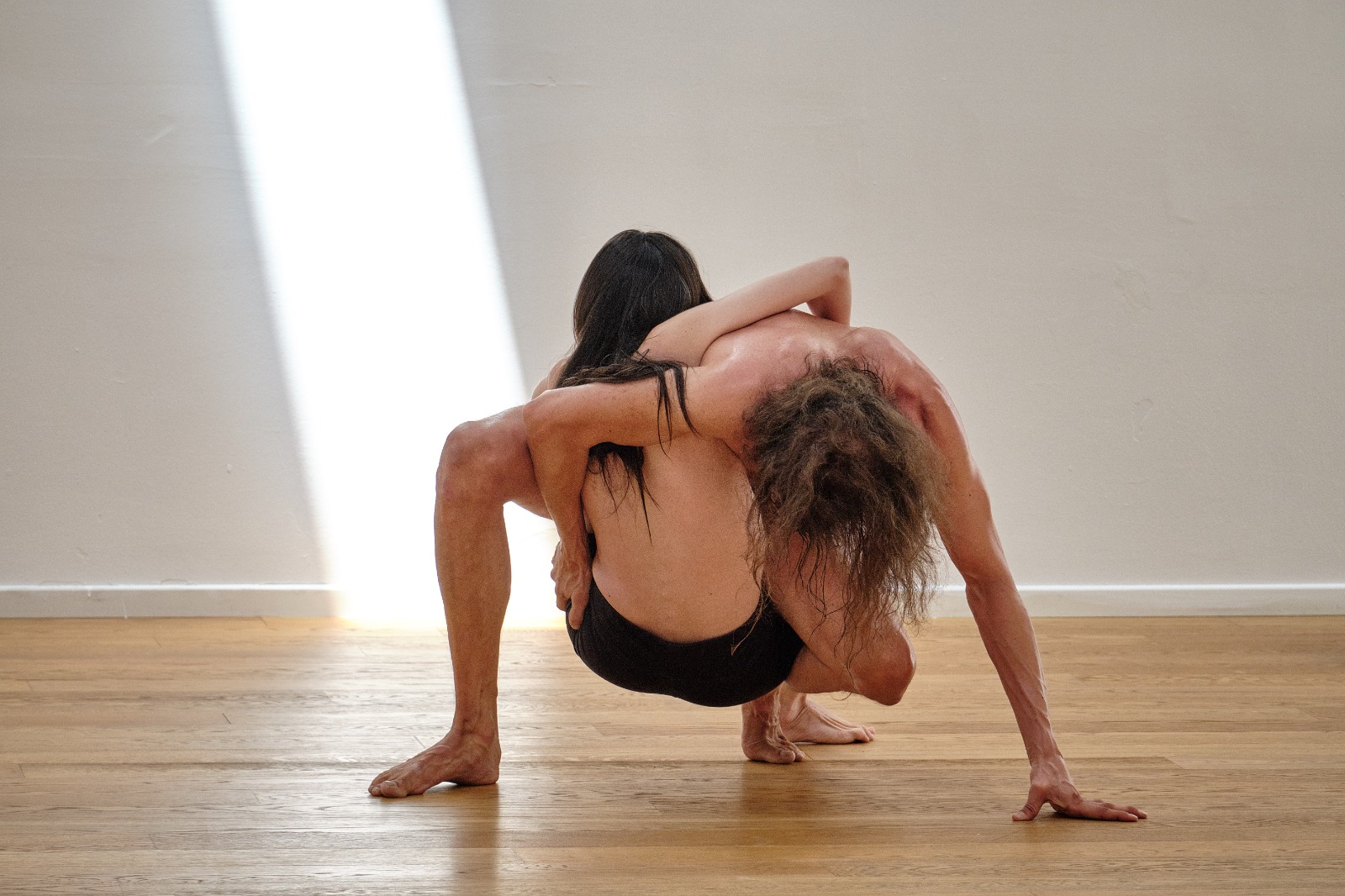
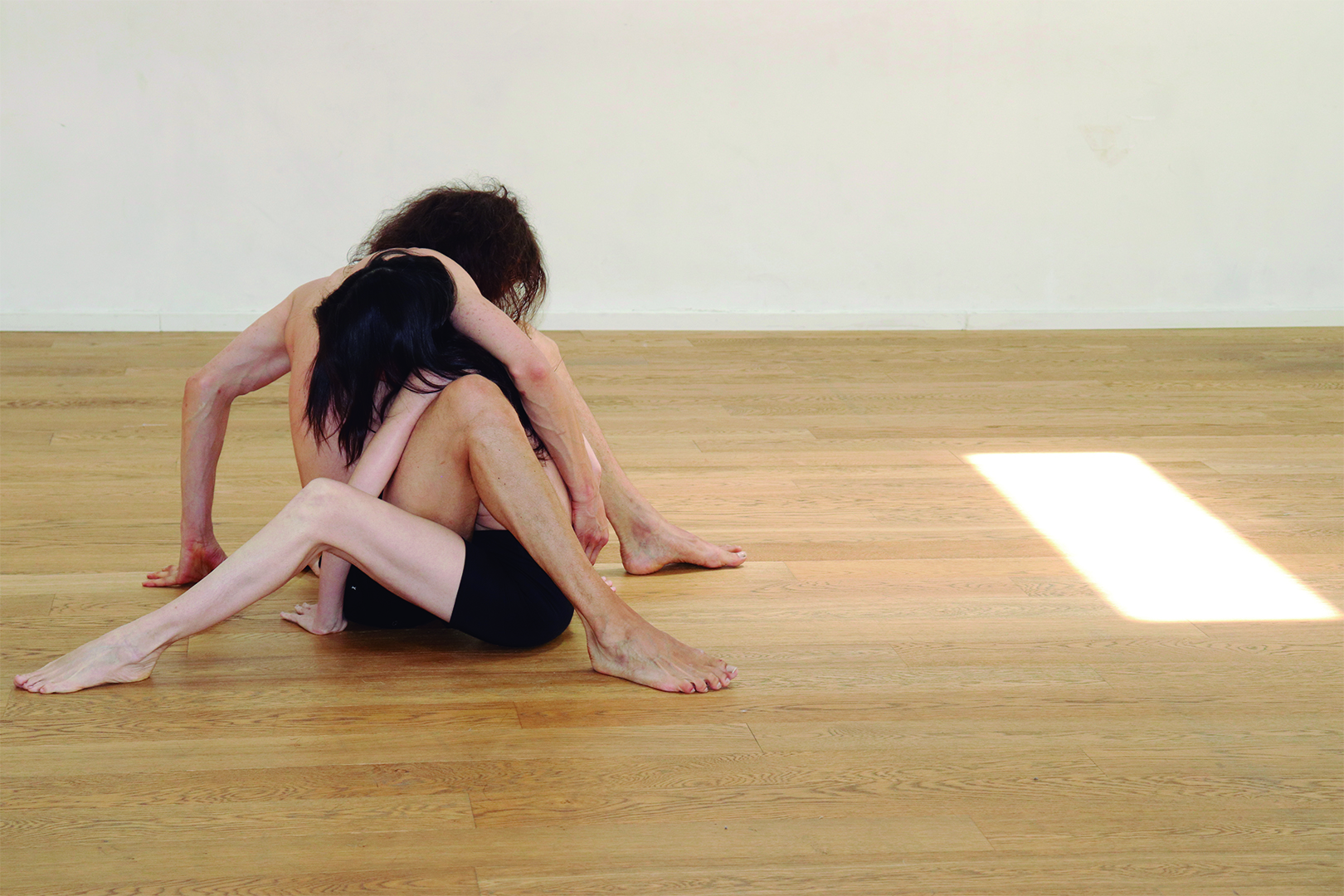
Leviathan es una práctica en la que dos performers intentan escapar de la representación de un cuerpo humano, en vivo y con luz general.
La tarea es desplazarse estando totalmente pegados y encastrados frente a frente el uno al otro, anulando la cara y la vista. Se activa en un espacio de mínimo 6 m x 6 m con luz natural o general.
Partitura de acciones:
1- Se pone el temporizador.
2- Los performers ingresan, se sientan frente a frente, se acercan y se encastran.
3- De esta manera intentan desplazarse, no a través de una secuencia aprendida, sino por medio de la escucha de los cuerpos en tiempo real con el público.
4- La práctica se desarrolla hasta que suena la alarma.
5- Los performers desarman la acción, se levantan, apagan la alarma y se van.
Texto de obra
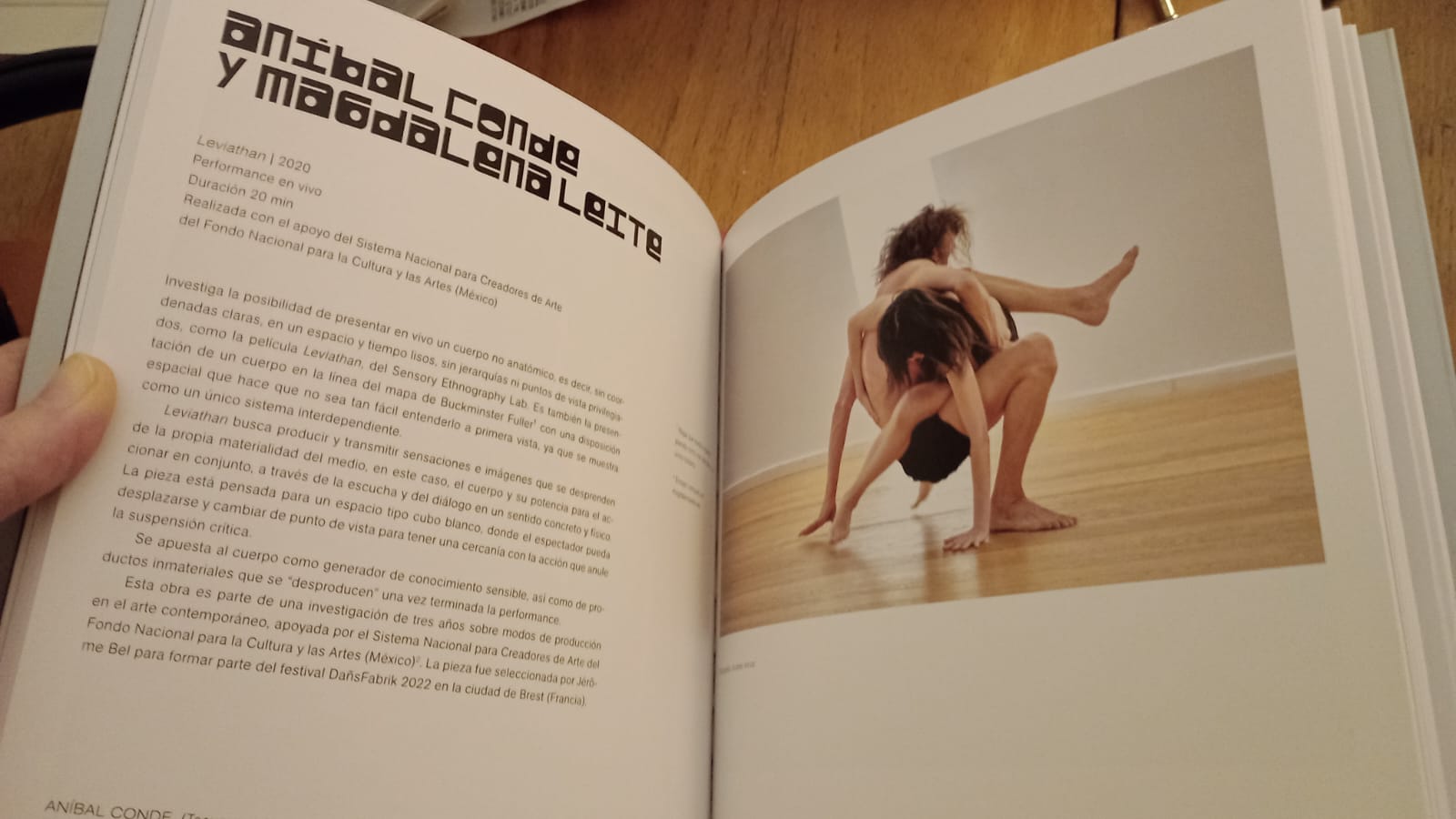
Esta obra investiga la posibilidad de presentar en vivo un cuerpo no anatómico, es decir, sin coordenadas claras, en un espacio y tiempo lisos, sin jerarquías ni puntos de vista privilegiados, como la película Leviathan del Sensory Ethnography Lab. Es también la presentación de un cuerpo en la línea del mapa de Buckminster Fuller, con otra disposición espacial que hace que no sea fácil entenderlo a primera vista ya que se muestra como un único sistema interdependiente.
Se busca producir y transmitir sensaciones e imágenes que se desprenden de la propia materialidad del medio, en nuestro caso, el cuerpo y sus potencias para el accionar en conjunto, a través de la escucha y del diálogo en un sentido concreto y físico. La pieza está pensada para un espacio donde el espectador pueda desplazarse y cambiar de punto de vista así como tener una cercanía con la acción que anule la suspensión crítica.
Es importante que la iluminación sea o bien natural o bien la luz que ya existe en el espacio, con el fin de dejar la menor huella de carbono posible.
Se apuesta al cuerpo como generador de conocimiento sensible así como de productos inmateriales que se “des producen” una vez terminada la performance.
Leviathan es parte de una investigación de tres años sobre modos de producción en arte contemporáneo apoyada por el Sistema Nacional de Creadores de Arte del Fonca, 2019-2021.
El ensayo completo se encuentra aquí.
Fotos: © Andrés Arcos y © Ana Arcos
ENG
Leviathan
Technical Sheet
Authors: Magdalena Leite and Aníbal Conde
Title of the Work: Leviathan
Year of Production: 2020
Technique and Medium: Choreography for two people
Duration: 20 minutes (short version)
Created with the support of the National System for Art Creators of FONCA (MX)
CV of the Work
2025 Museo del Chopo, May 16, 17, and 18, Mexico City (MX)
2024 Tictac Art Centre, October 19, Brussels (BE)
2024 Danza UNAM as part of the Correspondencias Project, June 1, Mexico City (MX)
2023 Selected for Surge Madrid 2023 with two performances on October 12 and 13 in Madrid (ES)
2023 Invited for International Dance Day at the Embassy of Mexico in Uruguay, April 27 (UY-MX)
2022 Selected for the 60th Gladys Afamado National Visual Arts Award by the Ministry of Education and Culture and the National Institute of Visual Arts, Montevideo (UY)
2022 Selected by Jérôme Bel to be presented at the Local International Festival at DañsFabrik, February 26, Brest (FR)
2022 Presented at the Binario Art Gallery of the National Center for the Arts, June 16, Mexico City (MX)
2021 Selected for the El Asunto de lo Remoto gathering, October 22, Buenos Aires (AR)
2020 Premiered at GEN Center for Arts and Sciences, December 5 and 6, Montevideo (UY)
Synopsis
Leviathan is a practice in which two performers attempt to escape the representation of a human body, live and under general lighting.
The task is to move while being completely attached and interlocked face-to-face, nullifying the face and sight. It is activated in a space of at least 6m x 6m with natural or general lighting.
Score of Actions:
1. Set the timer.
2. The performers enter, sit facing each other, approach, and interlock.
3. In this way, they attempt to move—not through a learned sequence, but by listening to their bodies in real-time with the audience.
4. The practice continues until the alarm rings.
5. The performers disengage, stand up, turn off the alarm, and leave.
Text
This work investigates the possibility of presenting a non-anatomical body live, that is, without clear coordinates, in a flat space and time, without hierarchies or privileged viewpoints, similar to the film Leviathan by the Sensory Ethnography Lab. It is also the presentation of a body in the line of Buckminster Fuller’s map, with a different spatial arrangement that makes it difficult to understand at first glance, as it is shown as a single interdependent system.
The goal is to produce and convey sensations and images that arise from the materiality of the medium itself—in our case, the body and its potentials for joint action, through listening and dialogue in a concrete and physical sense. The piece is designed for a space where the audience can move and change their viewpoint, as well as have a proximity to the action that nullifies critical suspension.
It is important that the lighting be either natural or the existing light in the space, in order to leave as little carbon footprint as possible.
The work emphasizes the body as a generator of sensitive knowledge as well as immaterial products that «un-produce» once the performance is over.
Leviathan is part of a three-year research project on production modes in contemporary art, supported by the National System for Art Creators of Fonca, 2019-2021.
The full essay can be found [here].
 magdalena leite